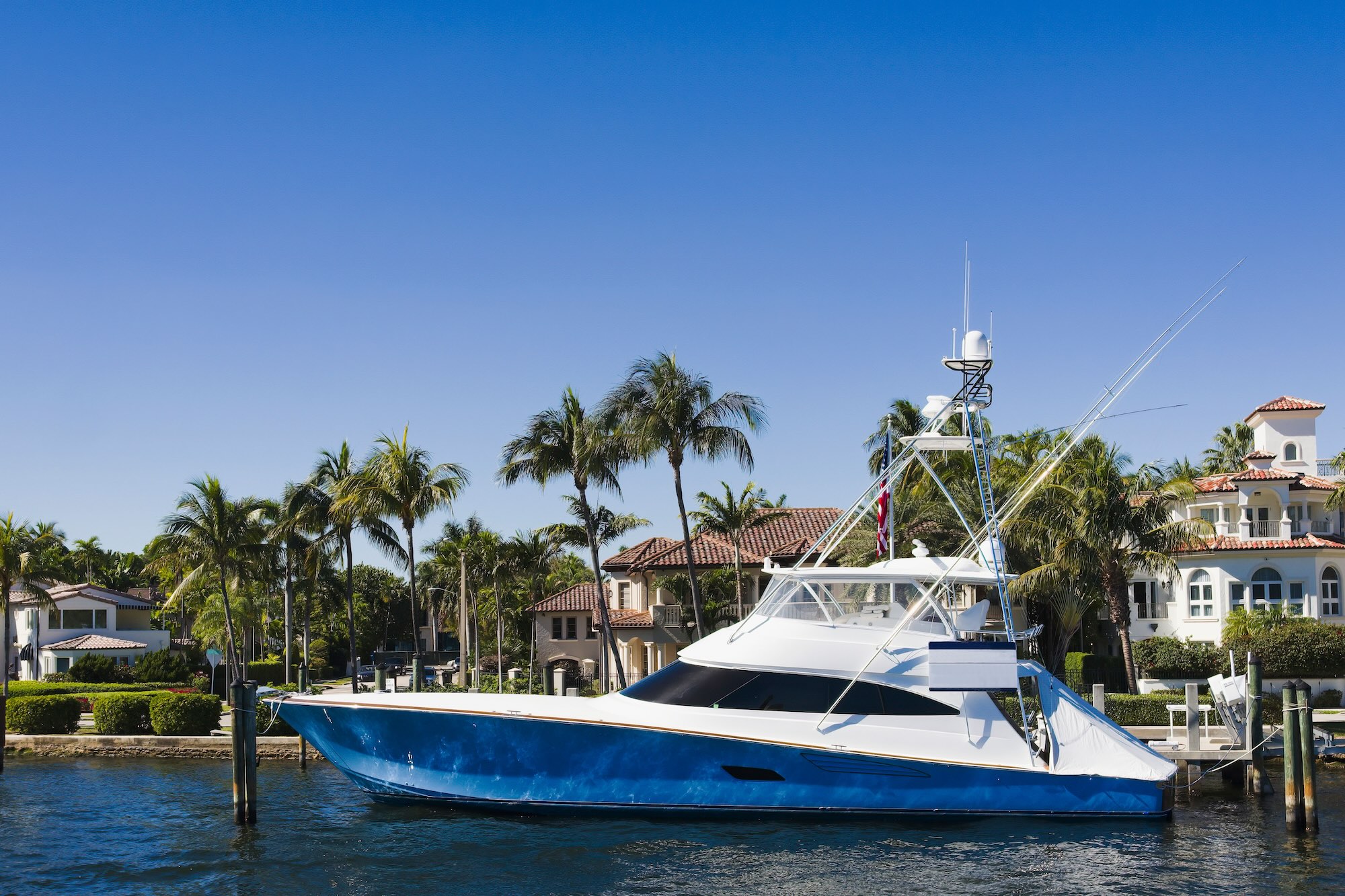
South Florida is one of the great boating regions of the world. Miami, Fort Lauderdale and Palm Beach are home to some of the busiest marinas, the largest yacht shows and the deepest pool of captains, crews and brokers anywhere. For anyone who loves the water, the question comes up sooner or later: should I charter, or should I own?
The honest answer is that it depends on how often you will use a yacht, how much of the cost and responsibility you want to carry, and what you expect from the experience. This guide compares the two options on the factors that matter, so you can decide with a clear view of the trade-offs.
The two options in plain terms
Chartering means paying to use a yacht, usually with a captain and crew, for a defined period. You pay for the time you use. The owner or charter company handles maintenance, insurance, staffing and storage.
Owning means you hold the vessel. It is yours to use whenever you like, and it is also yours to maintain, insure, crew, dock and eventually sell. The experience is more personal, but so is the responsibility.
There are also middle paths, such as fractional ownership, yacht clubs and membership programs, which share a vessel among several users. They deserve a look if neither pure option feels right.
How the costs differ
The biggest mistake first-time buyers make is to compare the purchase price of a yacht with the price of a week’s charter. They are different kinds of cost. Ownership has a large up-front cost and a steady stream of running costs. Charter has no up-front cost and a higher price per use.
The costs of owning
- The purchase price. Plus survey, sales tax where it applies, and broker fees.
- Dockage. Marina slips in South Florida can be among the most expensive in the country, and prices vary by location and vessel size.
- Crew. A captain, and often a mate or stewardess, depending on the size of the vessel.
- Maintenance and repairs. Engines, generators, hull work, air conditioning, electronics and cosmetic care.
- Insurance. Premiums depend on the vessel’s value, age, use and location, and coverage for hurricane season is a particular consideration in Florida.
- Fuel and provisioning. Which rise with how much you use the yacht.
- Depreciation. Yachts usually lose value over time, though the pace varies with the vessel and the market.
A rule of thumb often quoted in the industry is that annual running costs come to roughly a tenth of the vessel’s value. Treat that as a rough guide only. Costs vary widely by vessel, crew and how you use it, so ask a broker and a yacht manager for a real budget for the specific boat you are considering.
The costs of chartering
- The charter fee. Usually quoted per day or per week, and based on the vessel, its size and the season.
- Expenses on top. Fuel, dockage, food and drink, and local taxes are often charged in addition to the base fee, depending on the contract.
- Crew gratuity. Customarily paid at the end of the trip, and a typical range is around 15 to 20 percent of the charter fee.
Charter has no depreciation, no storage and no repair bills for you. You pay for the days you actually use.
A simple way to compare
Add up what you would spend on ownership over a year, then divide by the number of days you realistically expect to use the yacht. Compare that per-day figure to the cost of chartering a similar vessel for the same days.
For most people who use a yacht a few weeks a year, chartering is considerably less expensive per day of use. For those who are on the water most weekends and plan to keep the vessel for years, ownership starts to make more sense, particularly when the experience of having your own boat is a goal in itself.
Be realistic about usage. Many owners find they use the boat less than they expected, which makes each day more expensive.
Control, privacy and experience
Cost is only part of the picture. Owning a yacht gives you control. You choose when to go, how to decorate, who is on board and how the boat is run. You can leave your belongings on board and use it on a whim.
Chartering gives you variety. You can choose a different vessel for each occasion, from a day cruise for friends to a longer trip to the Bahamas, and you can try different sizes and styles before deciding what you like.
Privacy is generally high in both cases, especially on crewed vessels, but the details depend on the crew and the contract.
Taxes, legal structure and paperwork
Yacht ownership involves more administration than many buyers expect. You will need to register or document the vessel, arrange insurance, and consider how it is held. Many owners place a yacht in a limited liability company for liability or estate planning reasons. The right structure depends on your circumstances.
Sales and use tax rules for boats are complicated, and the state has specific rules and potential exemptions that depend on how and where the vessel is delivered and used. Ask a tax adviser and a marine attorney before you buy, not after.
Chartering involves far less paperwork. You sign a charter agreement, pay a deposit and the fee, and follow the contract’s terms for cancellation and conduct on board.
Who should consider chartering
- People who expect to use a yacht a few weeks a year or less.
- Anyone who wants variety in size, style and destination.
- First-time yacht users who want to learn what they enjoy before committing.
- Those who prefer not to manage crew, maintenance and insurance.
Who should consider owning
- People who will use the yacht frequently and for many years.
- Those who value being able to go at a moment’s notice.
- Owners who enjoy the hands-on side of boats, or who are happy to hire a professional manager.
- Buyers who are comfortable with depreciation as part of the cost of enjoyment.
The middle options
Several models sit between the two, and they are worth considering.
- Fractional ownership. Several owners share a vessel and its costs, and each has a set number of days. It lowers the cost per user, but availability can be limited, especially during peak weekends and holidays.
- Yacht clubs and membership programs. A subscription gives you access to a fleet. These are growing in popularity in South Florida and are simpler than ownership, though less personal.
- Charter management. Some owners place their yacht into a charter program to offset costs when they are not using it. This can help, though it usually does not eliminate the costs of ownership, and it introduces wear and tear.
Common mistakes to avoid
- Buying a larger vessel than you will really use.
- Underestimating crew, dockage and insurance costs.
- Skipping a professional survey before purchase.
- Ignoring hurricane season when choosing where to keep the boat.
- Chartering without reading the contract on cancellations, extra fees and the weather policy.
- Assuming that a charter program will pay for ownership.
Questions to ask before you decide
- How many days a year will I truly spend on the water?
- What is the full annual cost of the specific yacht I am considering, including crew and dockage?
- How would I compare that cost per day of use to chartering?
- Who will manage the yacht, and how will I vet them?
- What are the tax and legal implications of buying and holding it?
- Would a fractional or club arrangement give me enough of what I want?
Frequently asked questions
Is chartering cheaper than owning? For most people who use a yacht a limited number of days each year, yes. Ownership tends to become competitive only with frequent, long-term use.
What does a charter typically include? A vessel, a captain and crew, and often basic amenities. Fuel, dockage, food and taxes are frequently additional, so read the contract.
How much should I tip the crew? A customary range is around 15 to 20 percent of the charter fee, paid at the end of the trip, though practices vary.
Do I need a license to charter? On a crewed charter, a licensed captain operates the vessel, so you do not. Bareboat charters, where you operate the boat yourself, require qualifications, and the operator will tell you what they accept.
Should I put a yacht in an LLC? Many owners do, for liability and planning reasons, but the right choice depends on your situation. Ask a marine attorney.
The bottom line
Chartering and owning are two good answers to different questions. If you want the water without the responsibility, and you will be out a few weeks a year, chartering is hard to beat. If the yacht is central to how you live, and you are ready for the cost and care that come with it, ownership can be deeply rewarding.
If you are unsure, begin by chartering. A season or two on the water will tell you more about what you want than any spreadsheet, and the lessons are inexpensive compared with the cost of buying the wrong boat.