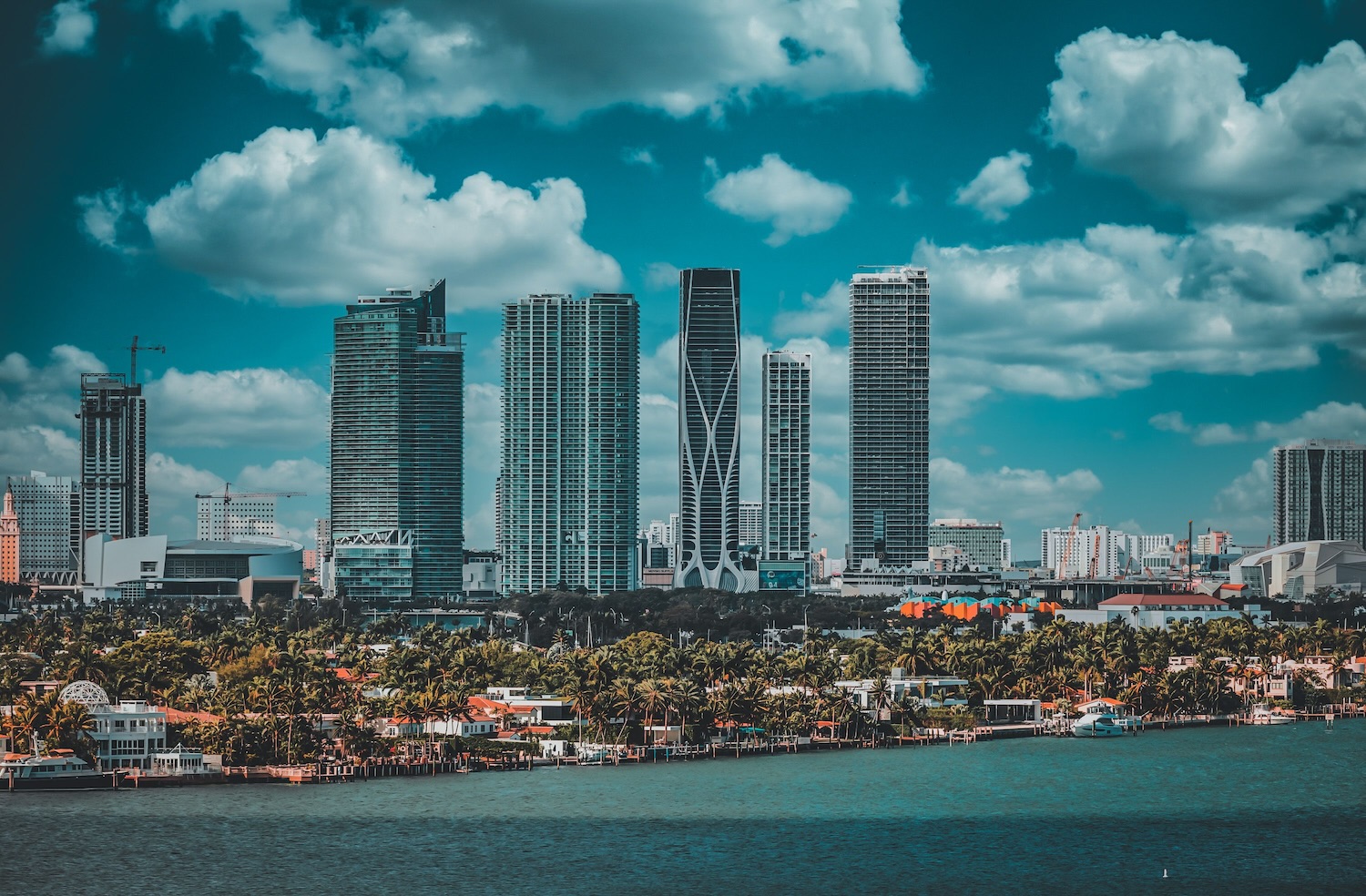
Buying a condominium before it is built is one of the most distinctive ways to own property in Miami. You choose a floor, a view and a layout from plans and a sales gallery, then wait while the tower rises. Done well, it can be a rewarding purchase. Done carelessly, it can mean paying a large amount of money for something you cannot yet see or touch.
This guide explains how pre-construction buying works in Florida, step by step, and what to look at before you sign. It is general information for buyers, not a substitute for a real estate attorney.
What pre-construction means, and why buyers choose it
A pre-construction condo is a unit you contract to buy while the building is still being planned or built. The developer sells units in phases, often starting with the earliest, most favorable terms for the first buyers. Delivery typically comes a few years after the first contracts are signed.
Buyers are drawn to it for several reasons. They can choose from the full range of floors and views. They often pay for the unit in stages instead of all at once. And they receive a brand-new home, with modern systems and current building standards.
The trade-off is time and uncertainty. Prices, interest rates and the market can all move between signing and closing, and you carry that risk. The point of the steps below is to understand it before you commit.
Step 1: Set your budget and your goal
Start by deciding what the purchase is for. A primary residence, a second home and an investment each call for different choices about size, location and amenities.
Then build a budget that covers more than the price. Allow for the staged deposits, closing costs, furnishings, and the monthly costs of ownership once you move in, including association fees, insurance and property taxes. Ask your accountant how the purchase fits your wider finances.
Step 2: Research the developer and the project
With pre-construction, you are buying a promise, so the track record of the people making it matters a great deal.
Look at the following before you fall in love with a rendering:
- The developer’s earlier projects, and whether they were finished on time and as described.
- Who the architect, interior designer and general contractor are.
- How the project is financed, and whether construction funding is already secured.
- The status of permits and approvals.
- Current owners in the developer’s past buildings, who are often willing to speak honestly about their experience.
Visit finished buildings by the same developer if you can. Look at the lobby, the corridors, the quality of the finishes and how well the building is maintained.
Step 3: Read the documents, all of them
Florida law requires the developer to give buyers a set of condominium documents. They are long, and it is tempting to skim them. Do not. They describe what you are actually buying.
The key documents usually include:
- The purchase contract. The price, the deposit schedule, the expected completion date, and what happens if either side defaults.
- The prospectus and declaration of condominium. The legal description of the building, the rules for owners, and what you own versus what is shared.
- The proposed budget. The estimated monthly and annual costs of running the building, which drive your association fees.
- Plans and specifications. The floor plan, the finishes, appliances and any items that are optional extras.
Pay particular attention to any clause that lets the developer change the plans, the finishes or the completion date, and to the limits on how far it can do so.
Step 4: Understand the deposits and where the money sits
Deposits are usually paid in stages: an initial deposit at signing, further instalments during construction, and the balance at closing. The size and timing vary widely from project to project.
Florida law gives buyers some protection. Under the state’s condominium act, deposits paid before closing must be held in escrow, and the developer may be allowed to use deposits above a certain share of the price for construction if the contract provides for it. The details matter, so ask your attorney to explain exactly how your deposit is handled and when it can be refunded.
Make sure you know who the escrow agent is, what conditions apply to a refund, and what happens to your money if the project is delayed or cancelled.
Step 5: Use your review period
Florida gives buyers of new condominium units a limited window to review the developer’s documents and cancel the contract. In general, the buyer has 15 days from receiving the contract and the required documents to change their mind and receive a refund of deposits.
Treat that period as your formal due diligence window. Have your attorney read the documents within it, and raise any concerns in writing. The period starts from when you receive the full set of documents, so keep a record of the date.
Step 6: Hire your own attorney
The developer’s sales team can explain the project, but they work for the developer. You need an independent Florida real estate attorney who represents you.
A good attorney will review the contract and condominium documents, point out unusual terms, explain the deposit and refund rules, and help you understand your rights if the building is delayed. Their fee is small compared with the size of the purchase.
Step 7: Plan your financing early
Many pre-construction buyers pay in cash, but others plan to take a mortgage at closing. If you intend to borrow, speak to lenders early, because mortgage approval typically happens near the end of construction, not at signing.
Ask lenders what happens if your circumstances or interest rates change in the meantime, and whether the project is one they are willing to finance. Some lenders have specific requirements for new condominium buildings, including how many units have been sold.
Step 8: Expect a long wait, and plan for delays
Construction schedules slip. Weather, supply chains, labour and permitting can all push back a completion date. Read the contract carefully to see how long a delay is allowed before you gain rights to cancel, and what notice the developer must give you.
Also check whether you are allowed to sell your contract before closing. This is often called an assignment. Many developers restrict or charge for it, and the rules differ from project to project. If resale before completion is part of your plan, find out the rules before you sign.
Step 9: Inspect, close and take possession
As the building nears completion, the developer will invite you to inspect your unit. This is your chance to look for defects, mismatches with the specification, and unfinished work.
Take your time, and consider bringing an independent inspector. Record every issue in writing on a list, often called a punch list, and keep a copy. Do not feel pressured to close until you are satisfied that the unit matches what you agreed to buy, or that a clear process exists to fix what does not.
At closing, you will pay the balance of the price and your closing costs. Once the deed is recorded and the keys are handed over, the unit is yours, and the warranty and association arrangements begin.
Common mistakes to avoid
- Choosing a unit on the strength of renderings alone, without checking the developer’s record.
- Skimming the condominium documents.
- Relying on the developer’s sales team instead of your own attorney.
- Ignoring the budget for association fees and insurance.
- Assuming a mortgage will be available at closing without speaking to a lender early.
- Counting on reselling the contract before completion without checking whether it is allowed.
Questions to ask before you sign
- What is the developer’s track record, and can I speak to owners in earlier buildings?
- How is construction financed, and are permits in place?
- Where are my deposits held, and under what conditions are they refundable?
- What is the expected completion date, and what are my rights if it is delayed?
- May I assign or sell my contract before closing, and at what cost?
- What are the estimated association fees, and what do they include?
- What warranties come with the unit and the building?
Frequently asked questions
How much deposit is usually required? It varies by project. Deposits are commonly paid in stages, with a significant share due before completion. Your contract sets the exact schedule.
Can I cancel after signing? In Florida, buyers of new condominium units generally have a 15-day period after receiving the documents to cancel and receive their deposit back. After that, cancellation rights depend on the contract and the law.
Do I need a Florida attorney? It is strongly advisable. An independent attorney reviews the documents for you, rather than for the developer.
What if the building is delayed? The contract controls. Read the clause on delays carefully, and ask your attorney what rights you have if completion slips.
Can foreign buyers purchase pre-construction condos in Miami? Yes. Foreign buyers regularly do. They should take advice on financing, tax and reporting obligations in both countries.
The bottom line
A pre-construction condo can be an excellent way to buy in Miami, giving you choice, a modern building and time to pay. The buyers who are happiest with the outcome are usually the ones who did their homework: they vetted the developer, read every document, understood where their deposit sat, and brought in an independent attorney early.
Take the process step by step, and do not let the pace of a sales gallery rush you. The building will take years to complete. A few weeks of careful review at the start is a small price to pay.