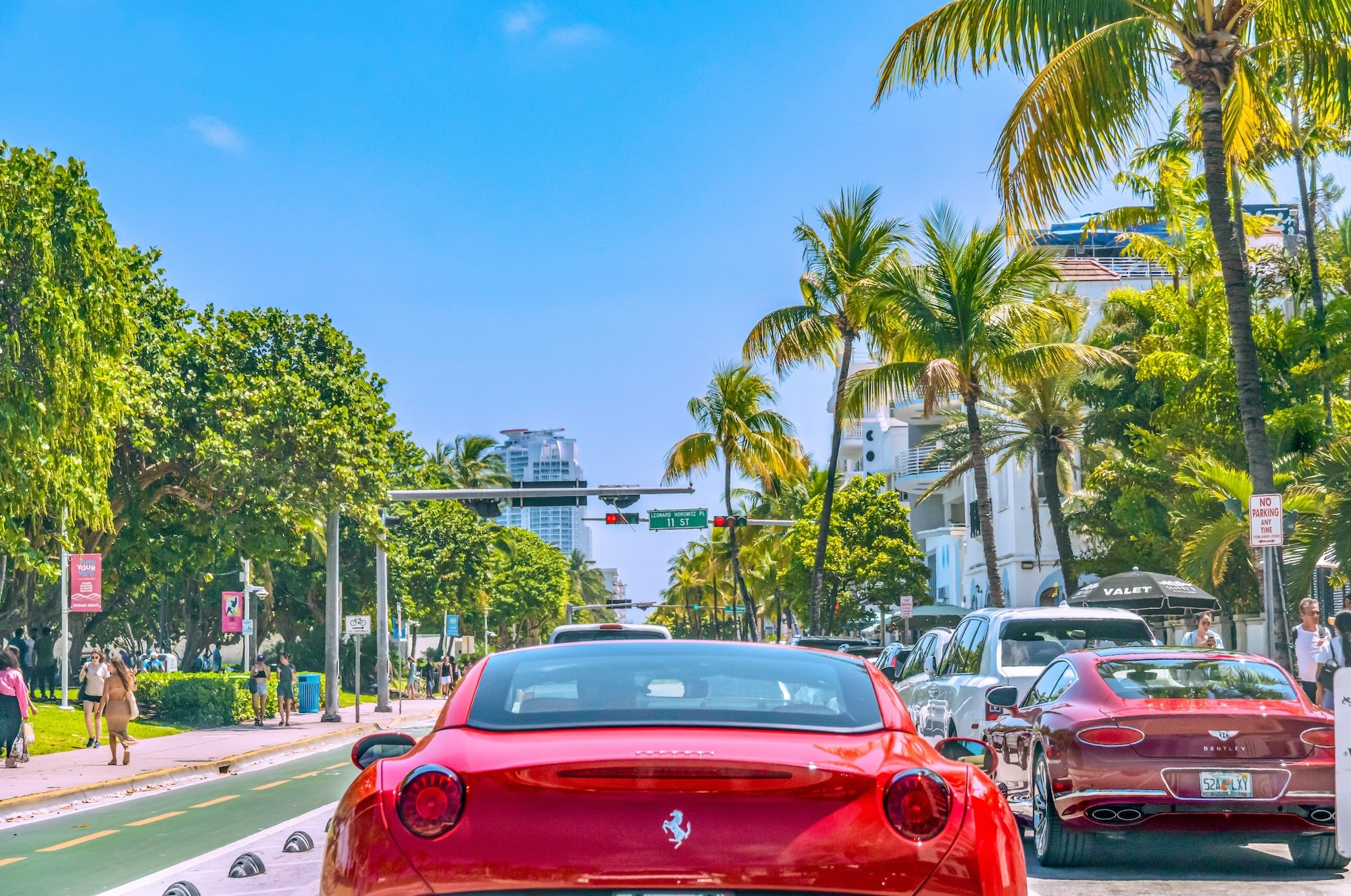
Miami has a reputation as a year-round destination, and that is broadly true. But the experience changes a great deal from month to month. Winter is dry, bright and busy. Summer is hot, humid and quiet, with lower prices and the occasional tropical storm. The right moment to visit depends on what you want from the trip.
This guide goes through the year month by month, covering the weather, the crowds, the hotel pricing pattern and the events that tend to shape each season. Dates for events change from year to year, so confirm them with the organizers before you book.
The short answer
For the best combination of weather and atmosphere, most visitors favor the dry season, from roughly November through April. Temperatures are warm without being oppressive, humidity is lower and rain is infrequent. It is also when prices and crowds are at their highest.
For lower prices and fewer people, consider the shoulder months of May and November, or the summer, if you are comfortable with heat and the possibility of storms.
Understanding Miami’s seasons
Miami has a tropical climate with two main seasons rather than four.
- The dry season (about November to April). Comfortable days, cooler evenings and little rain. The most popular time to visit.
- The wet season (about May to October). Hot, humid weather, frequent afternoon thunderstorms and higher chances of tropical weather.
Hurricane season officially runs from June 1 to November 30, with the most active period typically from mid-August to mid-October. A direct hit on Miami in any given year is unlikely, but travelers in these months should keep flexible plans and consider travel insurance.
Month by month
January
One of the most pleasant months. Days are typically sunny and in the mid-70s Fahrenheit, with cooler evenings that may call for a light layer. Hotels are busy and prices are high, especially around the holidays and long weekends. It is a good month for the beach, outdoor dining and walking.
February
Dry, sunny and lively. This is peak season, and the calendar fills with events, including boat shows and food festivals that are typically held around this time. Book hotels and restaurants well ahead, particularly for holiday weekends.
March
Warm and busy. Large events such as the Miami Open tennis tournament and music festivals typically take place in March, and spring break brings additional crowds to the beaches. Expect high prices and full hotels, and book early.
April
Often an excellent compromise. The weather is warm and still relatively dry, and the crowds begin to ease after spring break. Prices can soften toward the end of the month, though Easter and holiday weekends can still be busy.
May
A shoulder month. Temperatures climb and humidity returns, but the water is warm and the beaches are less crowded. A major motorsport event has been held in Miami in early May in recent years, which can push up prices that weekend. Outside event dates, hotels start to offer better rates.
June
The start of summer and of hurricane season. Expect highs near 90 degrees, high humidity and regular afternoon downpours that usually pass quickly. Hotel rates are lower, restaurants are easier to book and the pools are inviting. Sargassum seaweed can wash onto some beaches during warmer months, depending on the year.
July
Hot and humid, with frequent afternoon storms. This is the heart of the low season. It suits travelers who prefer pool days, air-conditioned museums and late dinners, and who want better prices. Plan outdoor activity for early morning or evening.
August
Among the hottest and most humid months, and the beginning of the most active hurricane period. Prices are among the lowest of the year, and many residents travel away. If you visit, keep plans flexible and watch the forecast.
September
Typically the peak of hurricane season. The weather is hot and wet, and the city is quiet. Travelers who are comfortable with the risk, and who have flexible bookings, can find some of the year’s best deals. Check cancellation policies carefully.
October
Still part of hurricane season, but the heat begins to ease toward the end of the month. Rates stay low, and the first signs of the dry season arrive. A good month for value, with the same caution about storms.
November
One of the most underrated months. The official hurricane season ends on November 30, humidity falls, and the weather turns comfortable. Crowds and prices begin to rise ahead of the winter season, but you can still find reasonable hotel rates early in the month.
December
Busy and festive. Art Basel Miami Beach typically takes place in early December, bringing a surge of visitors, parties and gallery events, and driving hotel prices to some of their highest levels. The weather is excellent. Book early, especially for the weeks around art week and the holidays.
Best time for specific interests
- Beaches and outdoor dining: January to April, when the weather is warm and dry.
- Art and culture: December for Art Basel, and the winter and spring months for galleries and exhibitions.
- Boating and the water: Winter and early spring, when conditions are comfortable and the major boat show is held.
- Food and wine: February, when large food festivals are typically held, and the dry season generally for outdoor dining.
- Sports and events: March for tennis, spring for motorsport and the winter months for football.
- Value: Late spring, the summer and early autumn, with attention to storm forecasts.
- Quiet and relaxation: May, June and November, when crowds are lighter.
Sample trips by season
If it helps to picture the choices, here are four ways a trip tends to look.
- The classic winter break (January or February). Long beach days, outdoor lunches, a boat day on the bay and dinners on a terrace. Book hotels and tables weeks ahead, and expect to pay a premium.
- The culture-led week (early December). Gallery visits, design events and evening parties around Art Basel. It is exciting and crowded, so reserve hotels, restaurants and transport well in advance.
- The shoulder-season escape (May or November). Warm water, lighter crowds and better rates. A good choice for couples and for anyone who prefers a calmer pace and still wants good weather.
- The summer value stay (July to September). Long pool afternoons, museums and late dinners, with the lowest prices of the year. Keep bookings flexible and monitor the weather.
What to know about prices
Hotel pricing in Miami follows a clear seasonal pattern. Rates are highest from December to April, with spikes on event weekends. They ease through May and June, are generally lowest from July to October, and climb again in November.
The biggest swings come from events, not just from the season. A hotel that is reasonably priced in an ordinary week can cost much more during a major festival, and flights and restaurant reservations follow suit. If you have flexibility, check the event calendar before you choose your dates.
Practical tips for any time of year
- Pack for the sun. Sunscreen, sunglasses and a hat are useful all year, as the sun is strong even in winter.
- Bring a light layer. Restaurants and shops are often heavily air-conditioned, and winter evenings can feel cool.
- Expect afternoon rain in summer. Showers are usually short, so keep an umbrella or a flexible schedule.
- Book restaurants early. Popular tables fill quickly in high season and during major events.
- Allow for traffic. Congestion is common, especially to and from the beaches, and events can close roads.
- Check flexibility in storm season. Choose refundable rates and consider insurance between June and November.
Common mistakes to avoid
- Booking a date without checking whether a major event will inflate prices.
- Visiting in peak summer without planning for the heat.
- Ignoring hurricane season when choosing non-refundable bookings.
- Leaving restaurant reservations until the last minute in high season.
- Underestimating the strength of the sun.
Frequently asked questions
What is the best month to visit Miami? For the weather alone, many people favor the dry season between November and April, with April and November often offering a good balance of comfort and price.
When is hurricane season? It officially runs from June 1 to November 30, with the highest activity usually from mid-August to mid-October.
When are hotels cheapest? Generally from July to October, outside of event weekends.
When is Art Basel Miami Beach? It typically takes place in early December, but the exact dates change each year, so check the organizers’ calendar.
Is Miami too hot in summer? It is hot and humid, with highs near 90 degrees and frequent afternoon storms. Many visitors enjoy it by planning around the heat, with pool time and indoor activities.
The bottom line
There is no single best time to visit Miami, only the best time for what you want. If it is perfect weather and a lively city, choose winter or early spring and book early. If it is value and quiet, consider the shoulder months or the summer and keep your plans flexible.
Whichever you choose, check the event calendar first. In Miami, the date of your trip can matter as much as the season.